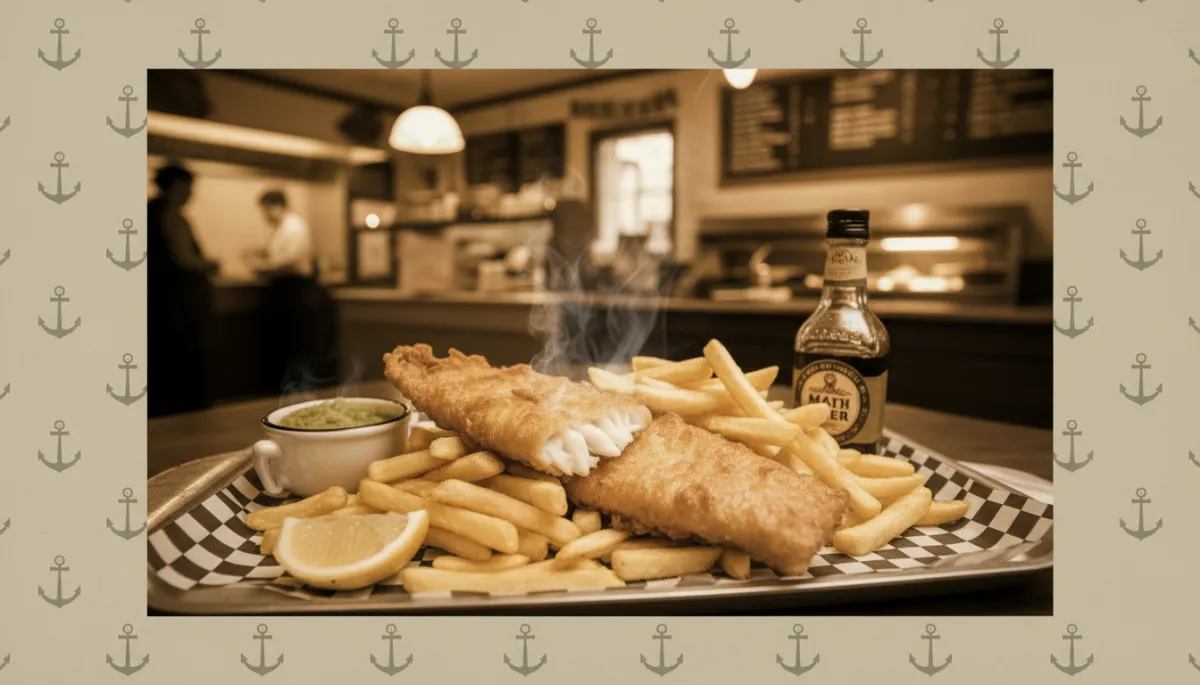
The History of Fish and Chips in British Culture
Food History, British Culture, Black Country Heritage
The History of Fish and Chips and How It Shaped British Culture
Discover how humble fried fish and potatoes became a British icon, and why we’re so proud to serve Traditional Fish and Chips here in Stone Cross, West Bromwich.
From Street Stalls to a Nation’s Favourite
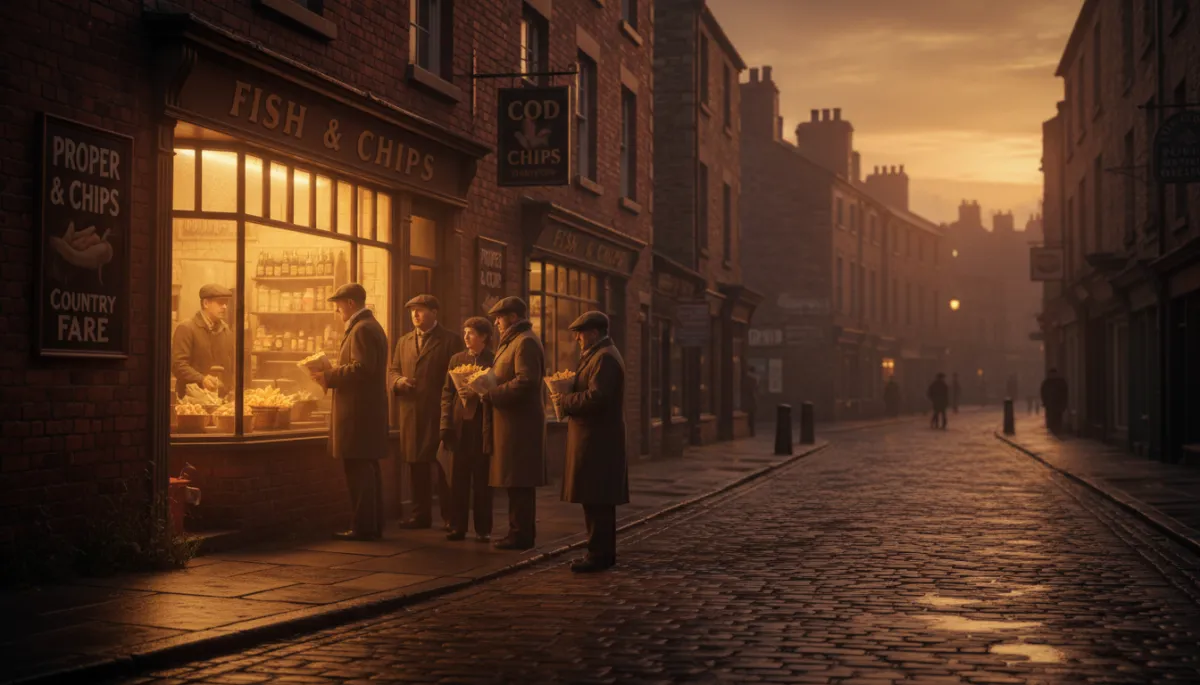
When you walk into our Chip Shop West Bromwich and smell the vinegar and freshly fried batter, you’re stepping into a story that goes back more than 150 years. Fish and chips didn’t start as a grand dish; it began as honest, filling food for working people who needed something hot, hearty, and affordable after a long shift.
Fried fish arrived in Britain with Jewish immigrants from Portugal and Spain in the 18th and 19th centuries. They brought the idea of coating fish and frying it until crisp and golden. Around the same time, fried potatoes were becoming popular in the North of England. It didn’t take long for someone clever to put the two together – and a legend was born. The first dedicated fish and chip shops appeared in the 1860s, one in London and one in Lancashire, and the idea spread like wildfire through growing industrial towns.
Fuel for the Industrial Age – and the Black Country
Here in the Black Country, life was built on coal, iron, and hard graft. Men and women came off shifts from the foundries and factories tired, hungry, and covered in the day’s work. Traditional Fish and Chips were the perfect answer: cheap enough to feed a family, hot enough to warm you through, and hearty enough to keep you going. It’s no wonder chippies became a fixture on so many corners around West Bromwich and beyond.
In those days, people didn’t talk about “fast food” – they talked about “getting your supper from the chippy.” You’d queue up with your neighbours, have a natter while the fish was frying, and walk home with that precious warm bundle wrapped in newspaper. That sense of community is something we still feel at The Black Country Chippy in Stone Cross today. Every night, we see regulars catching up in the queue, just like their parents and grandparents did.
How Fish and Chips Became a British Institution
By the early 20th century, fish and chips were everywhere. From London to Leeds, from seaside towns to smoky inland streets, the chippy was part of everyday life. During both World Wars, the government made a point of keeping fish and chips available, even when other foods were rationed. They knew that a portion of fish and chips lifted spirits and kept people going in tough times. That’s when the dish truly became part of the national identity – a simple meal that everyone, rich or poor, could enjoy together.
Even today, ask someone abroad to name a British food and they’ll almost always say fish and chips. It’s there at seaside holidays, Friday nights, football matches, and family gatherings. For us, serving Fish and Chips West Bromwich isn’t just about feeding people; it’s about keeping that shared tradition alive, one crispy chip at a time.
Our Black Country Twist on a Classic
Here at The Black Country Chippy in Stone Cross, we like to think we put a bit of local character into every portion. We’re proud to be a Chip Shop West Bromwich can call its own – rooted in the community, run by local people, and serving families who’ve been coming to us for years. We still believe in doing things the traditional way: fresh potatoes chipped on site, fish fried to order, and batter that’s light, crisp, and golden, not heavy or greasy.
The Black Country has always had its own personality – straight-talking, hardworking, and proud of its roots. Traditional Fish and Chips fit that spirit perfectly. It’s honest food with no fuss, just good ingredients treated with care. When you bite into a piece of perfectly fried cod or haddock and hear that crunch, you’re tasting a little bit of history as well as your tea.
Why Fish and Chips Still Matter Today
In a world full of drive‑throughs and delivery apps, it’s easy to forget how special a proper chippy tea can be. But fish and chips have survived every food trend for a reason. They bring people together – families sharing a big tray on a Friday night, mates grabbing a bag after the match, grandparents treating the grandkids on payday. It’s food that feels like a treat but also feels like home.
When you choose Fish and Chips West Bromwich from a local shop like ours, you’re also supporting the community – from local suppliers to the staff behind the counter. You’re keeping a living tradition going, one that ties together Victorian street stalls, wartime queues, and modern Black Country families.
Pop In and Taste a Little History
So next time you fancy a chippy tea, remember you’re not just choosing what’s for dinner – you’re taking part in a story that stretches from the first Victorian fryers to the heart of the Black Country today. We’d love to welcome you to The Black Country Chippy in Stone Cross, West Bromwich, and serve you a portion of Traditional Fish and Chips cooked with pride and a lot of local love.
Whether you’re a lifelong local or just passing through West Bromwich, come and see why the humble fish and chip supper became a national institution – and why, for us, it will always be the taste of home.
